
- All (76)
- Footsteps of Rama (3)
- Himachal (16)
- Quiz (0)
- Temples (16)
Case 1
Resilience

Focus
Will Power
Olympics
Elementor #6683
Manifestations of Shiva
Republican Traditions

The Variety of Sankranti

Surya, A Solstice Quiz
Gurudwaras – Legends and Locations
Gurudwaras – Legends and Locations
Hanumanji at hilltop, Shimla
I go to the Jakhoo temple every time I visit Shimla. February 2019 was no exception. I had reached Shimla in the evening and it had soon started to snow. It was a gentle drift which became heavier in the night. I set out very early the next morning to the temple, maybe at 5.30 or 6 a.m. The snowfall had covered the town through the night. The landscape was completely white. The town was still asleep, perhaps saying “Life would anyway be slow, so why rush the morning?” With all the silence, the walk through the soft and sinking snow felt even quieter.
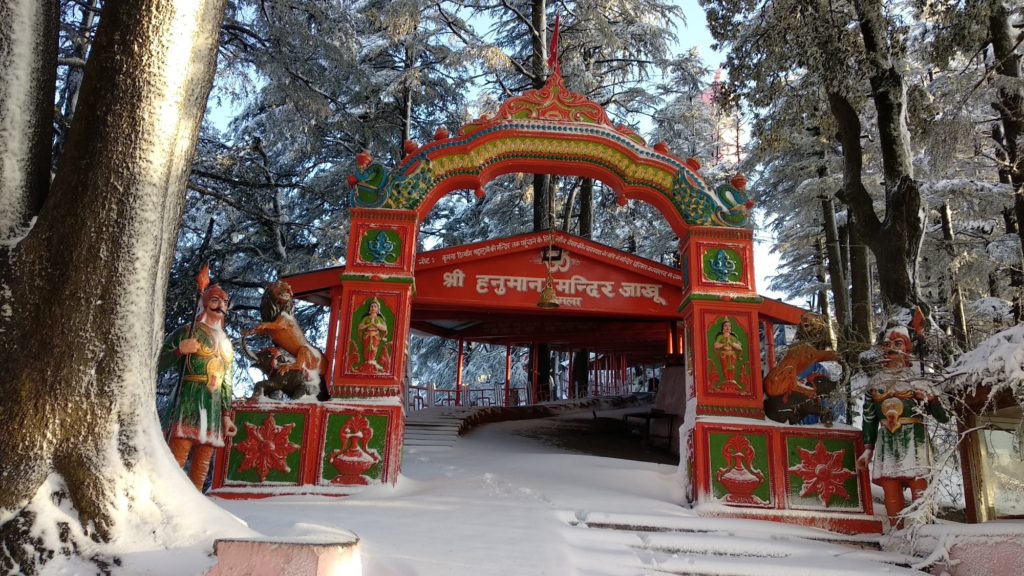
Last flight of steps before Jakhoo temple in Shimla
There was a bit of mystery ahead. In normal weather, the steep climb to Jakhoo takes just over thirty minutes. It snows heavier near Jakhoo and I was not sure if the route was even open. With legs sinking in calf deep snow, I was making only slow progress, but cheerful progress. The route was open but there were no other footmarks on the snow. The snowfall had been heavier near Jakhoo and my feet sank almost knee deep. When I reached Jakhoo I was the only devotee.
In warmer times, the climb itself is an experience. A small board just behind the public library at the ridge challenges you right at the start. It tells you how long you ought to take (age and fitness adjusted!). It is a steep climb for a third of the way winding past a café run by prisoners, some hotels, shops, a Church in disuse and some colonial bungalows. It levels out for the next one third of the way along a large playground and a row of houses. The last one-third is a steep climb on steps. This part is thickly wooded and full of aggressive monkeys. There is a somewhat inconvenient and slightly expensive rope-way. There is also a long winded road that takes you through all of Shimla’s traffic. You can avoid the climb with either of these, but you should climb for the experience and the memories.
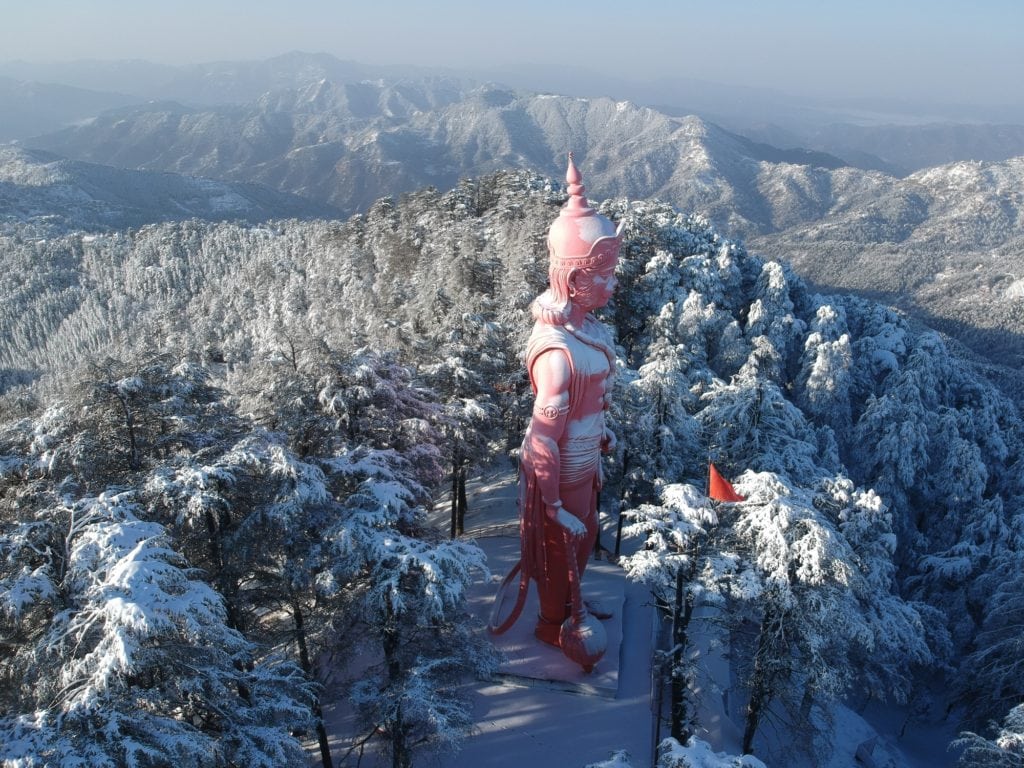
The temple is at the top of the ridge and is the highest point in Shimla. It marks the place where Hanumanji heard Sage Yakoo’s chanting and stopped, before resuming his search for Sanjeevini. The temple complex has a 108 feet tall Hanumanji who looks down at the mall road and Shimla ridge below. The sunrise and the sunset are fabulous at Jakhoo. The slanting rays break through the tree leaves to light up the saffron coloured temple walls from different angles. The shadow of the trees adds to the effect. The evening aarti is great community experience.
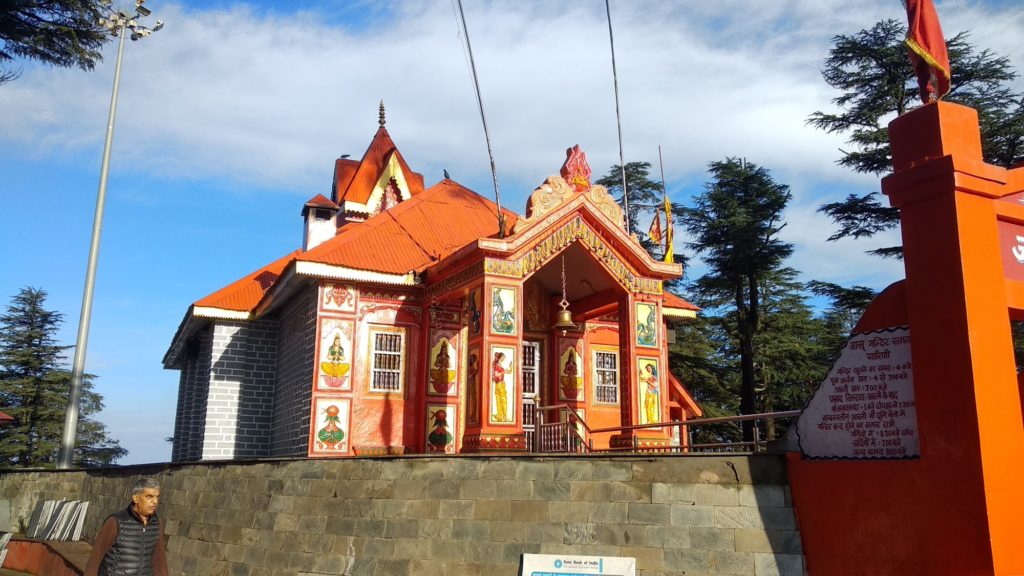
Sunrise at Jakhoo temple

Jakhoo at Sunset
The Panditji is of a ripe age and perhaps lives at the ridge itself and must have served Hanumanji for several decades. He serves the devotees tirtha, some prasad, a flower or two and then caringly applies the tika. He picks up every rupee offered to him and puts them in the hundi. Even if it was intended for him, he takes nothing of it for himself.
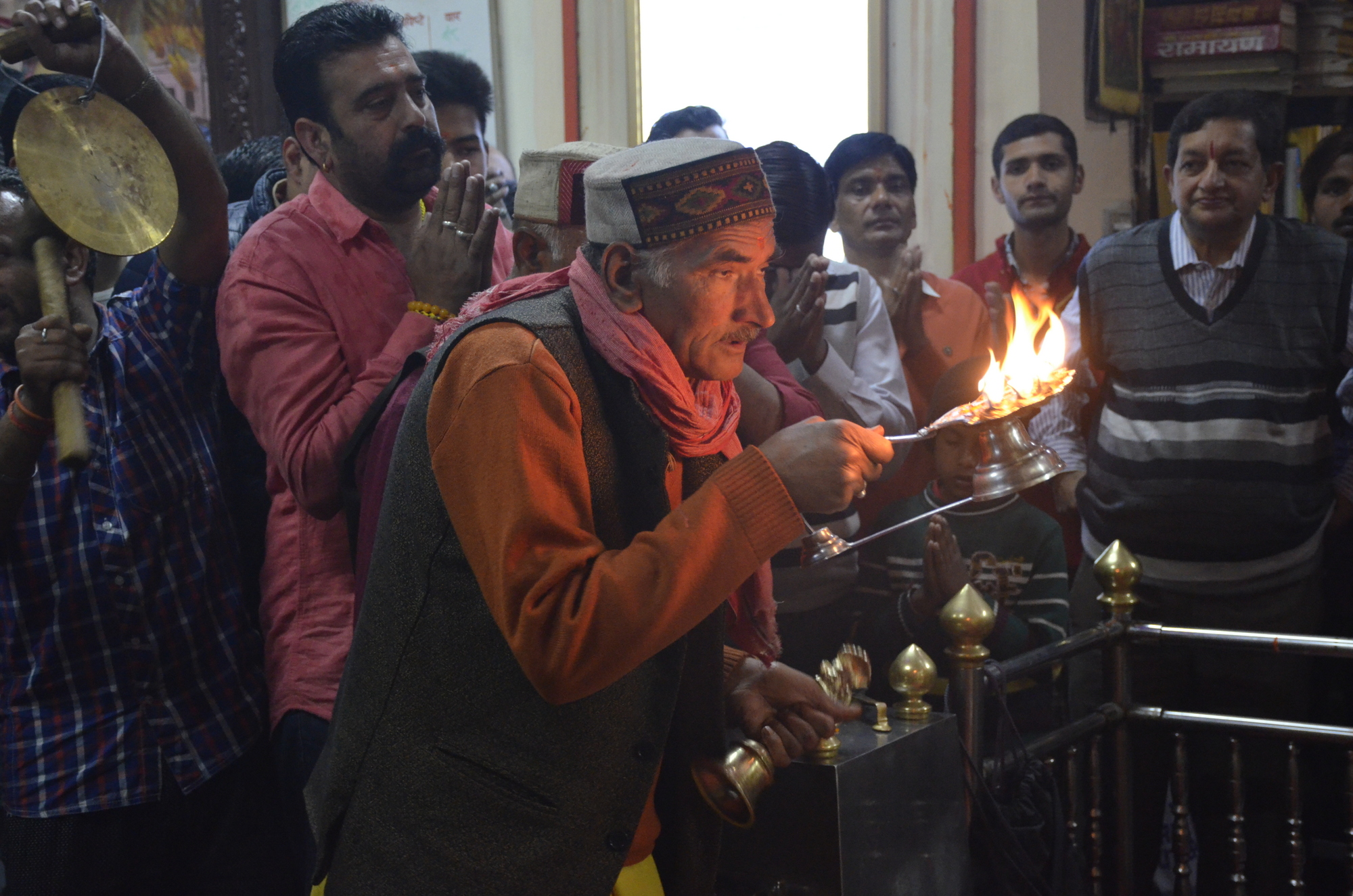
Evening Aarti
I had taken my drone along that morning. With freezing and numb fingers I managed to fly the drone for a few minutes. The drone’s eye view of Hanumanji standing amidst the blanket of snow was incredible. But the temperature took its toll. My thin gloves could not stop the cold that quickly turned into searing pain. I rushed down hoping for warmth. Luckily, ten minutes down, where the trail levels a bit to meet settlements, a tea stall was stirring to life. The owner looked at me and lit up a fire. Then brought me a cup of tea. Life came back. I have gone back twice since then for a warmer experience.
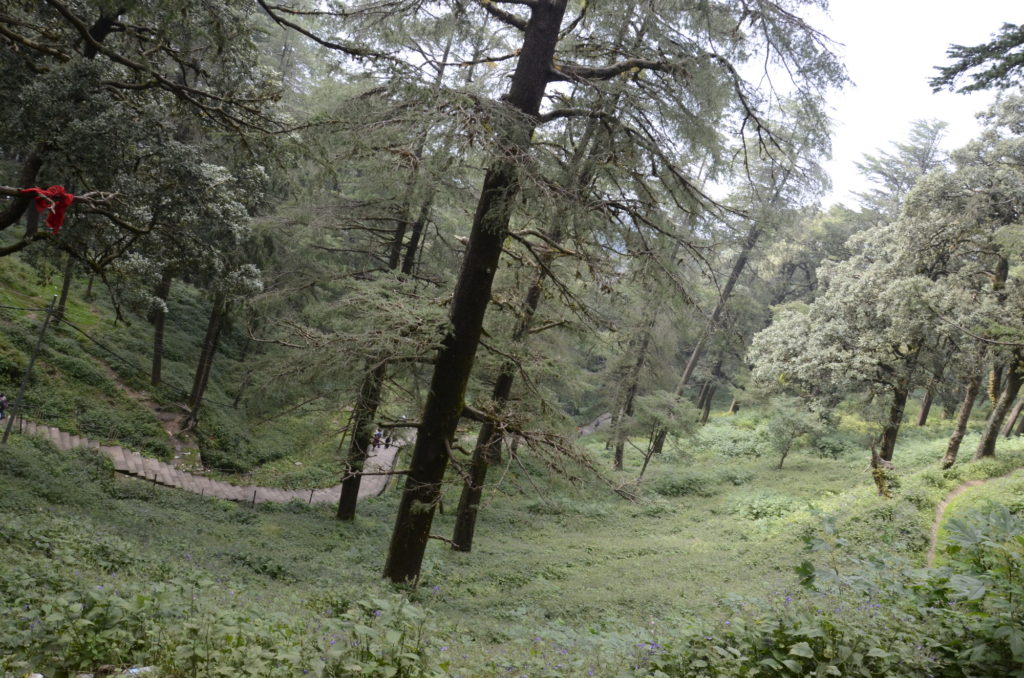
The climb to Jakhoo
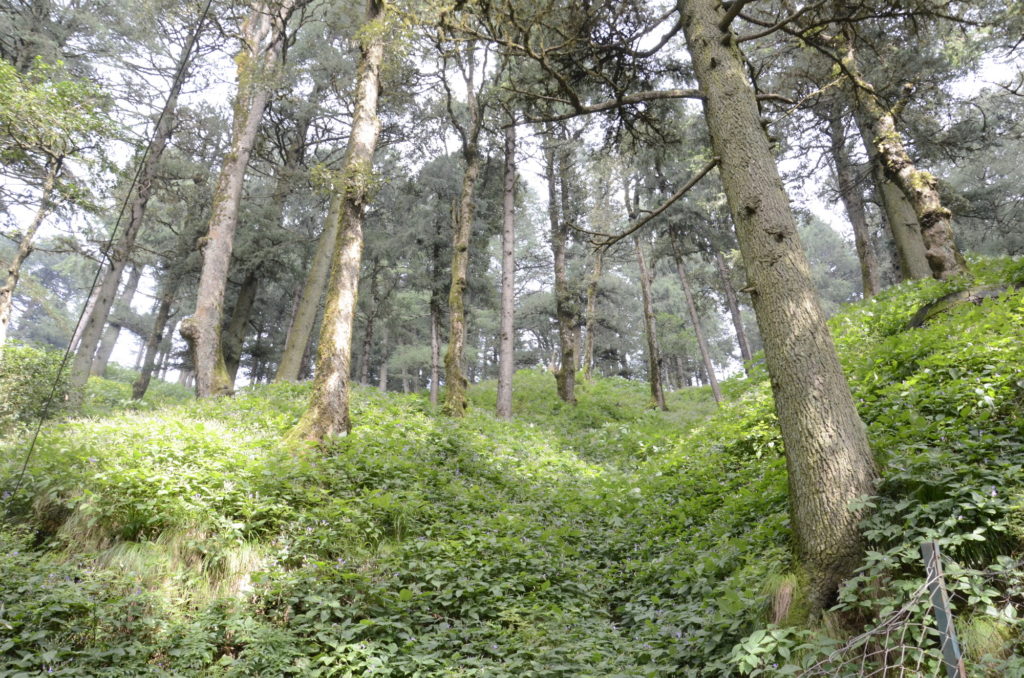
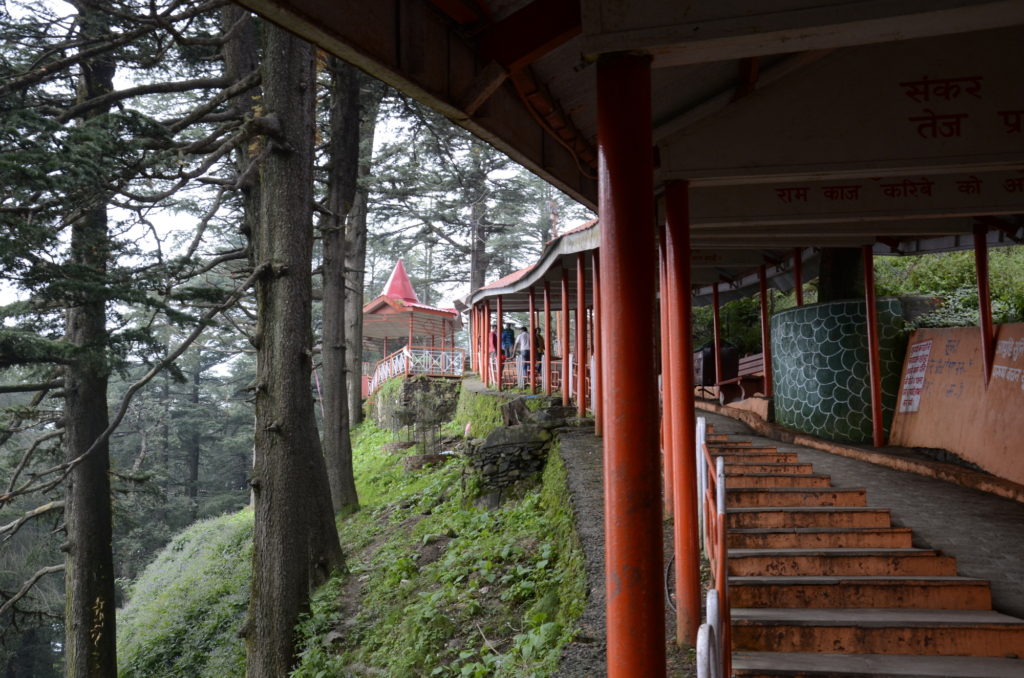
This last climb is a monkey kingdom
Everyday life at Kali Bhari, Shimla
Kali Bhari at Shimla. Temples of Himachal …10.
There are grand temples, there are popular temples and there are temples at great locations. Then there are some that are part of everyday life.
Kali Bari temple in Shimla is a part of the daily life. It is an interesting blend of native history and migration. Kali as Shyamala represents what is native, giving the city its name; and as Kali, gives identity to the Bengalis who accompanied the British into the city in its early years.
It is at the western end of the ridge, a few hundred meters after Scandal point where most tourists stop. My client in Shimla has a habit of walking to the temple every day, and I have accompanied him a few times.
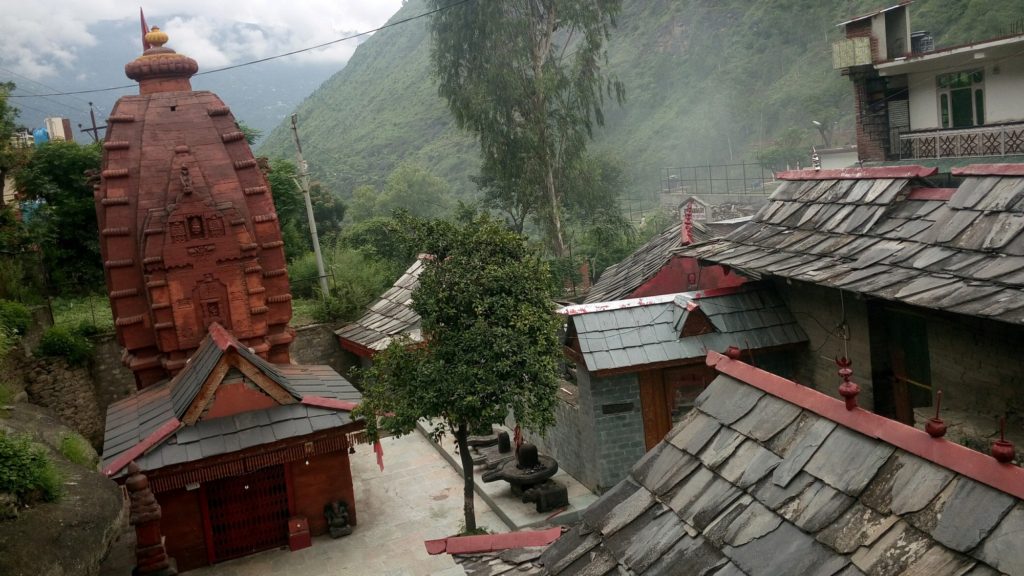
The temple is grand because of this routine of its devotees. One June, we were at the temple when it had started raining heavily, The chill was unbearable and bare feet were making it worse. I took a glance from within the temple outside.
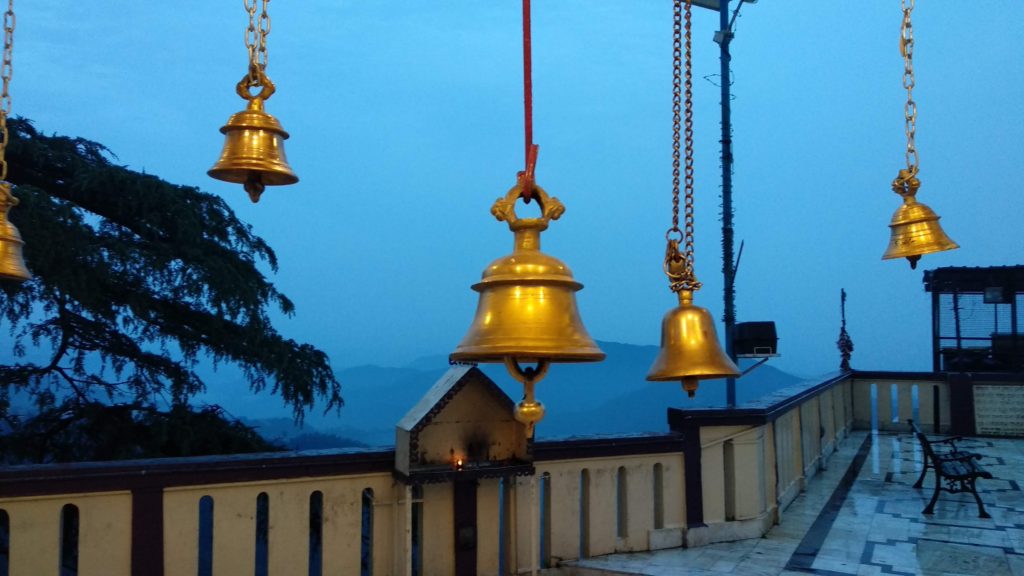
There is a small but open courtyard and you can look at all of Shimla from there. A bench if you are tired of the walking, a tiny oil lamp on the wall, shielded from the rain and snow; which must have been here since 1845. Then the sight of modernity – a solar lamp post. The sight of the bells in the background of dusk, create serenity. The locality is nothing such, but faith does create an oasis.
Everyday life at Kali Bari temple, Shimla
Perfect setting for the soul. Baijnath
Baijnath, Temples of Himachal…16
Timeless, grand, picturesque, popular, clean and peaceful. Very few temples have the perfect mix that Baijnath has. It is the setting for the soul.
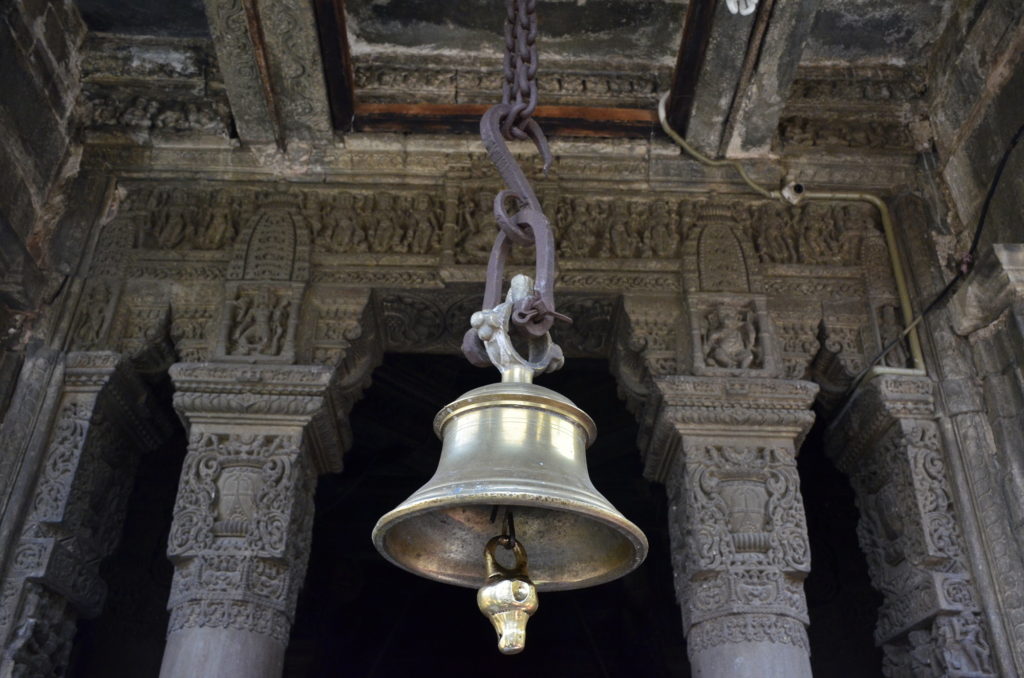
Timeless worship
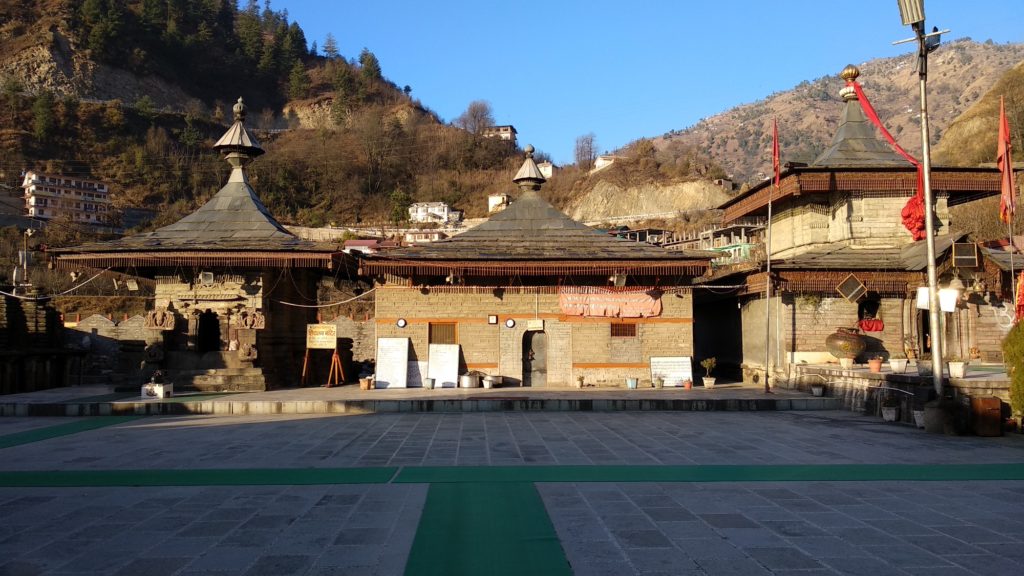
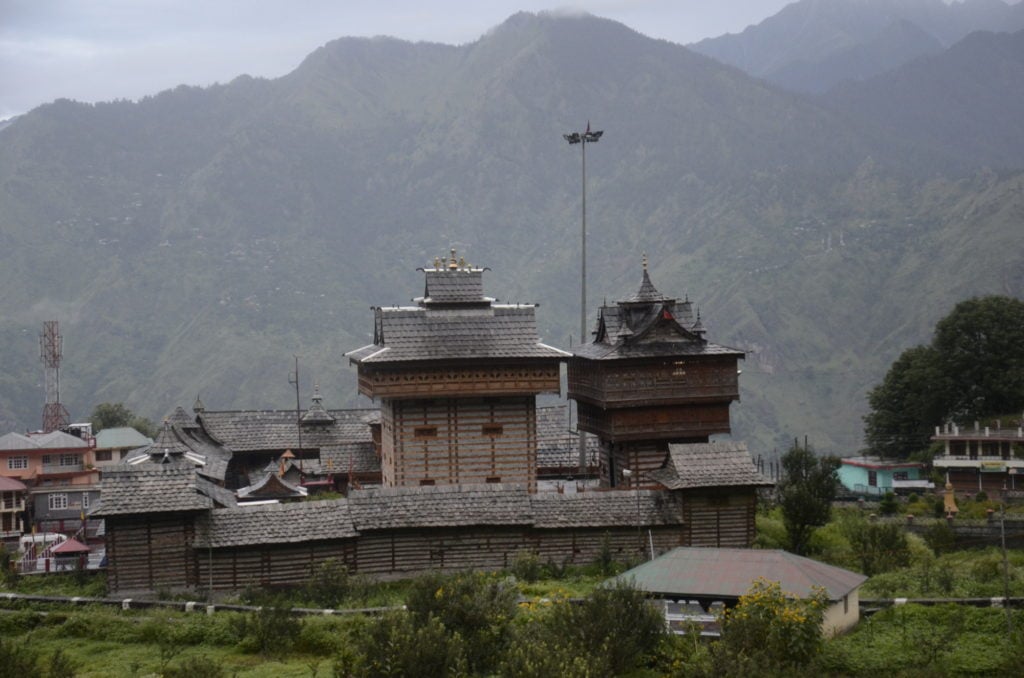
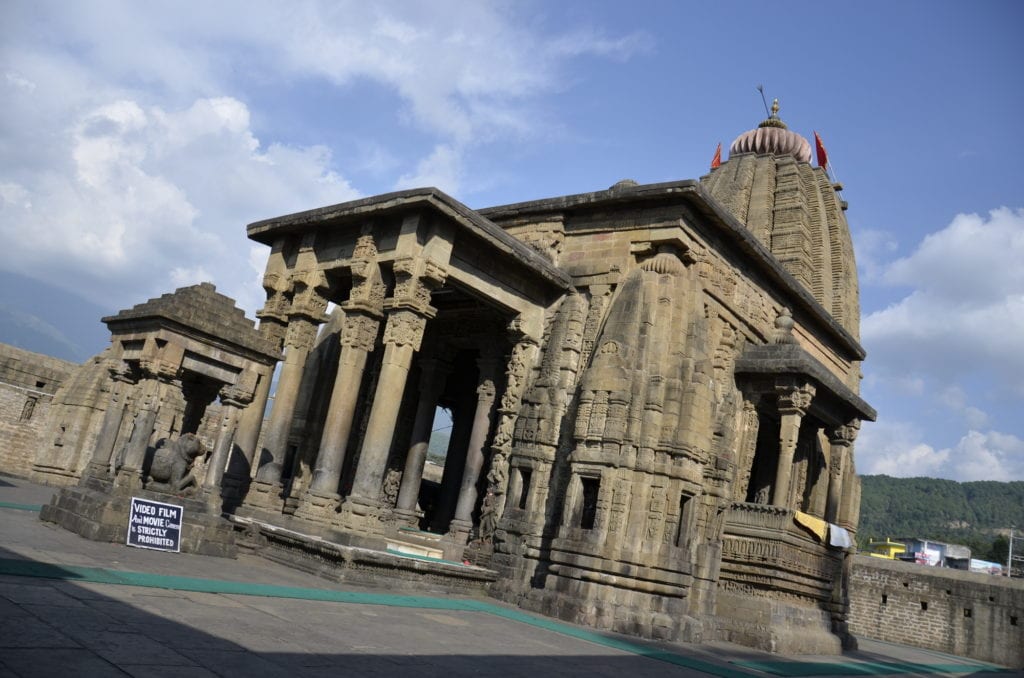
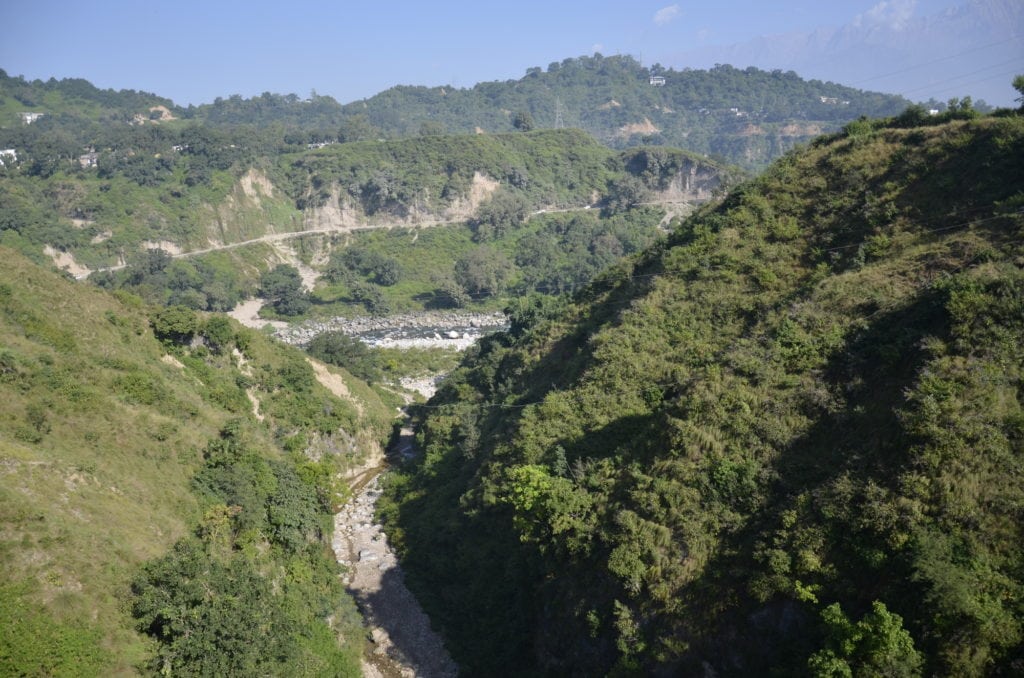
It is perched 50 meters high from the undulating Palampur fields. The river Binduka cuts a shallow valley along the edge of the hills. The temple has a recorded and verified history of 800 years; and possibly a timeless one before that. Shiva is worshipped as the Lord of Physicians in Baijnath.
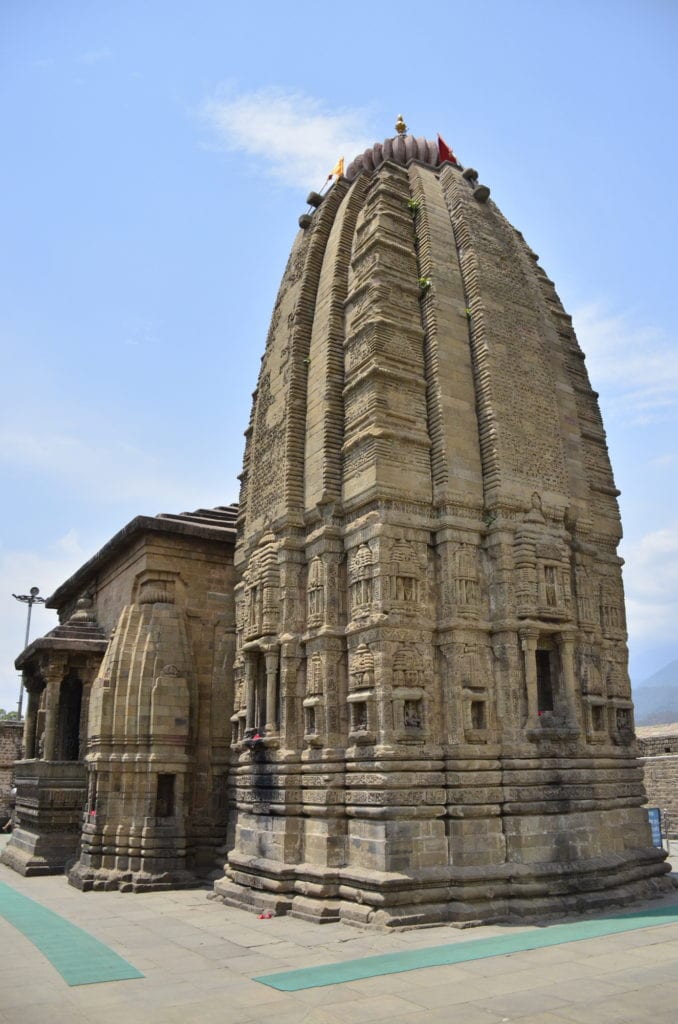
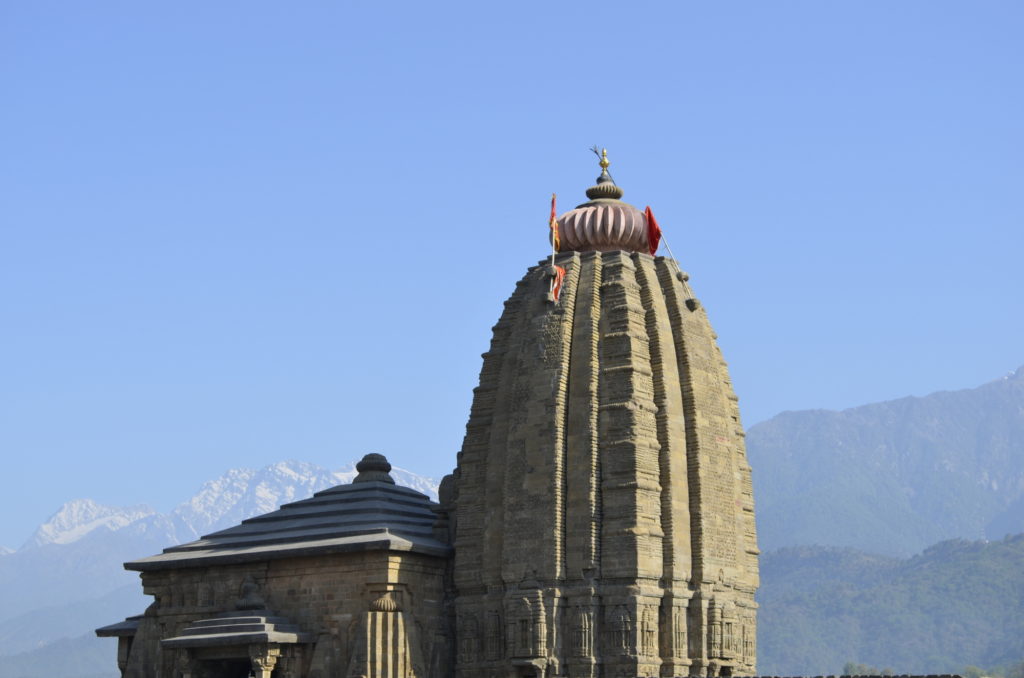
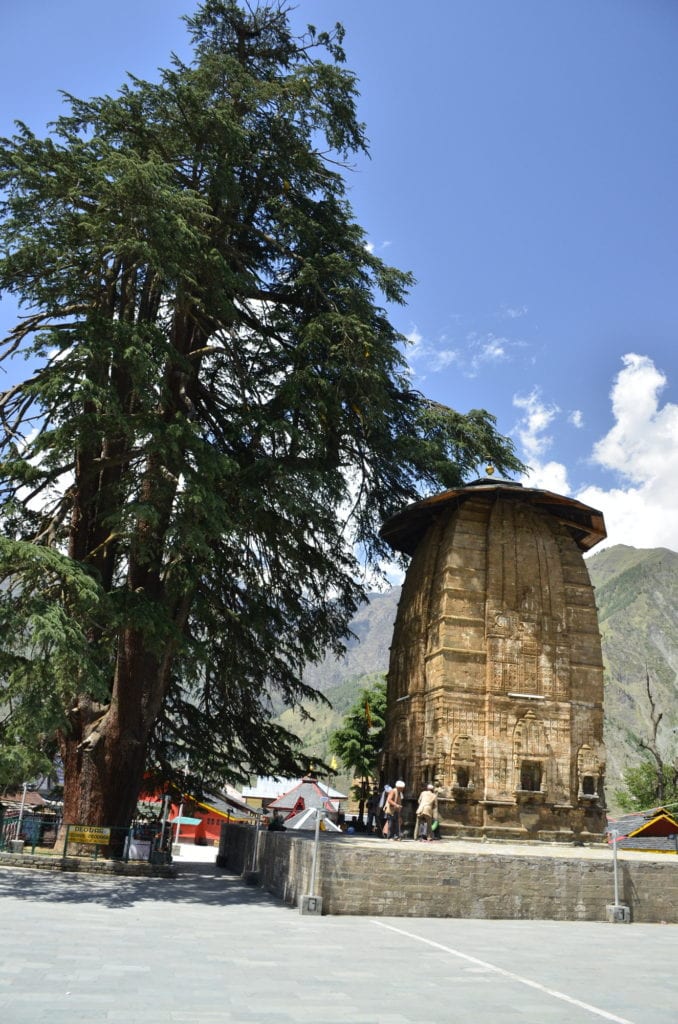
The temple is about fifty feet tall, very grand for this region. The architecture is impressive, with several elements of temple design integrated. Unlike most other temples of Himachal, it also has two balconies at the ground level.
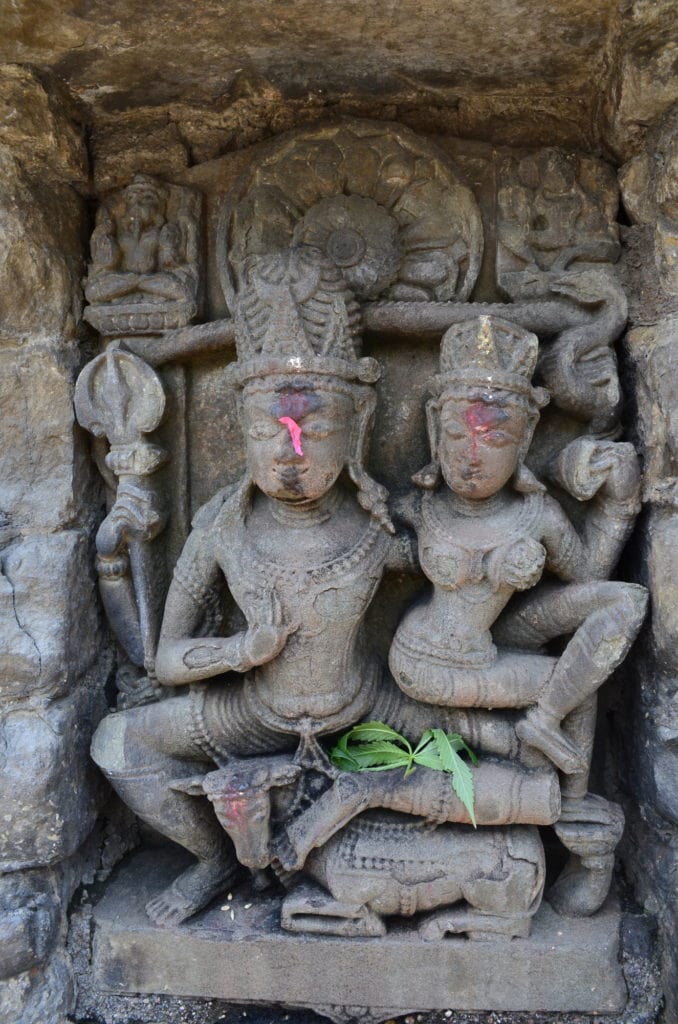
The sculptures are a delight. They are richly carved; and the style and proportions of the sculptures are very uncommon. A standing Nandi and a slightly kneeling Ganpati are wonderful. A dash of hibiscus on the Ganpati; that sight alone captures the joy of idol worship.
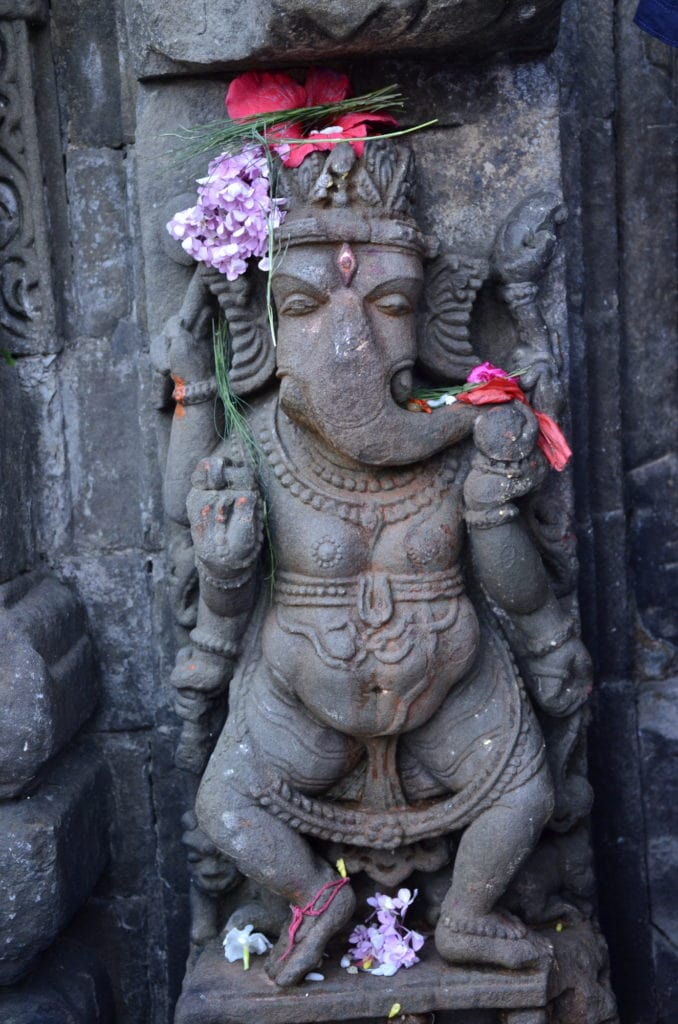
Idols, worshipped, adorned
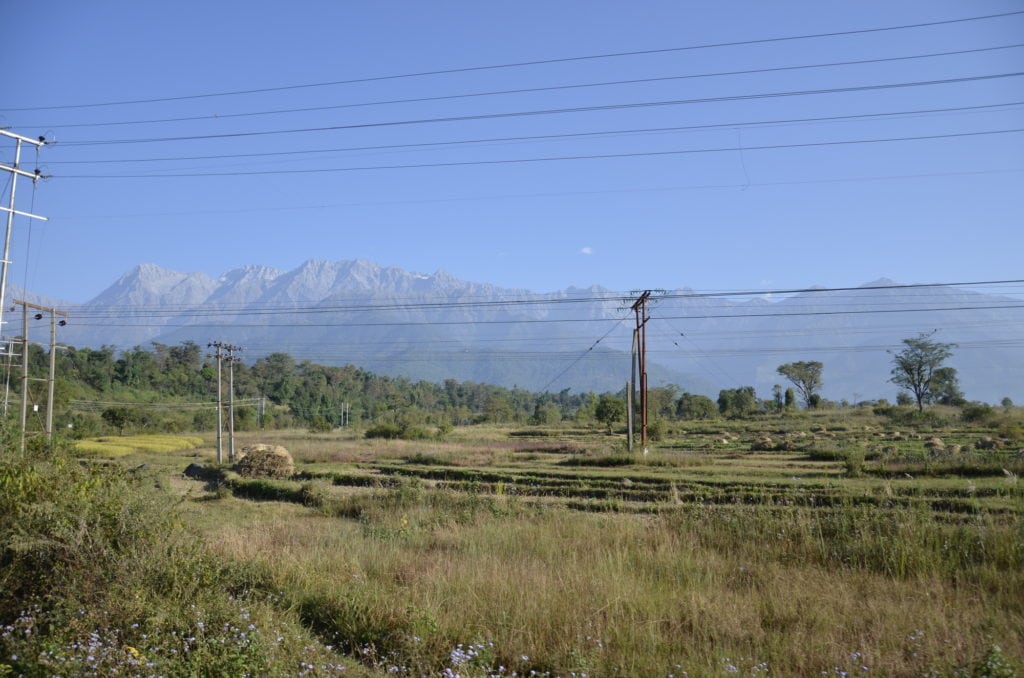
It overlooks the entire Dauladhar range that rises from 500 odd meters to almost 5000 meters in a single vertical span. In between is the shallow valley with a gently flowing Binduka. There are only a few temples that can match the setting, like Kedarnath, Mahabalipuram, Tiruchendur, Somnath..
It is maintained by ASI, so there is a nice clear grassy perimeter; and photographs are allowed. The temple excels in cleanliness even for Himachal standards. The calm of the temple is incredible even though it is on the highway.
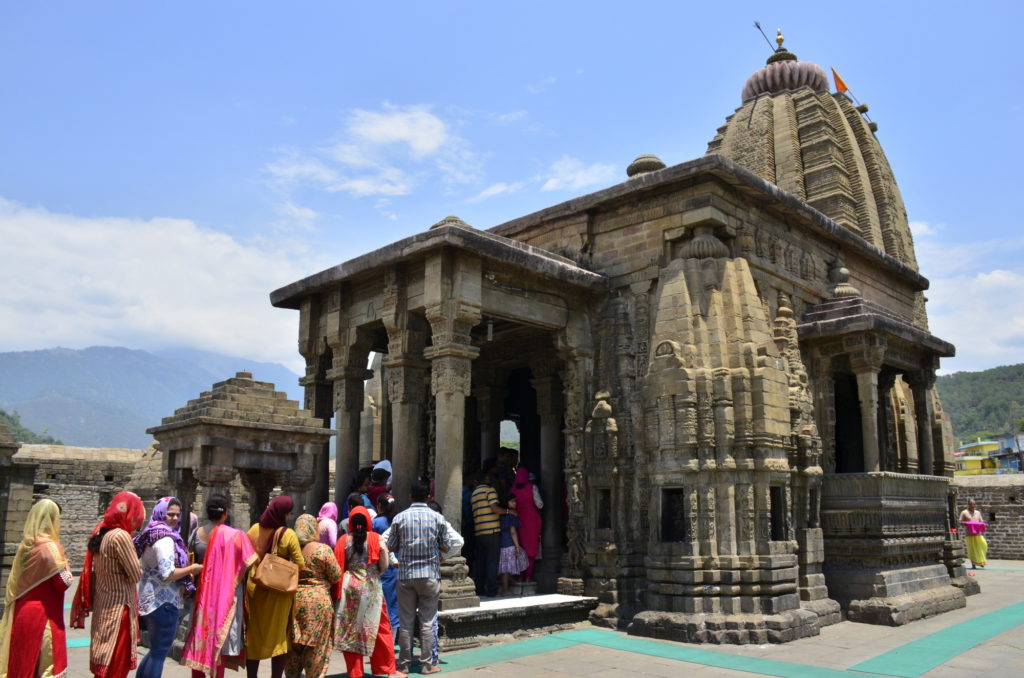
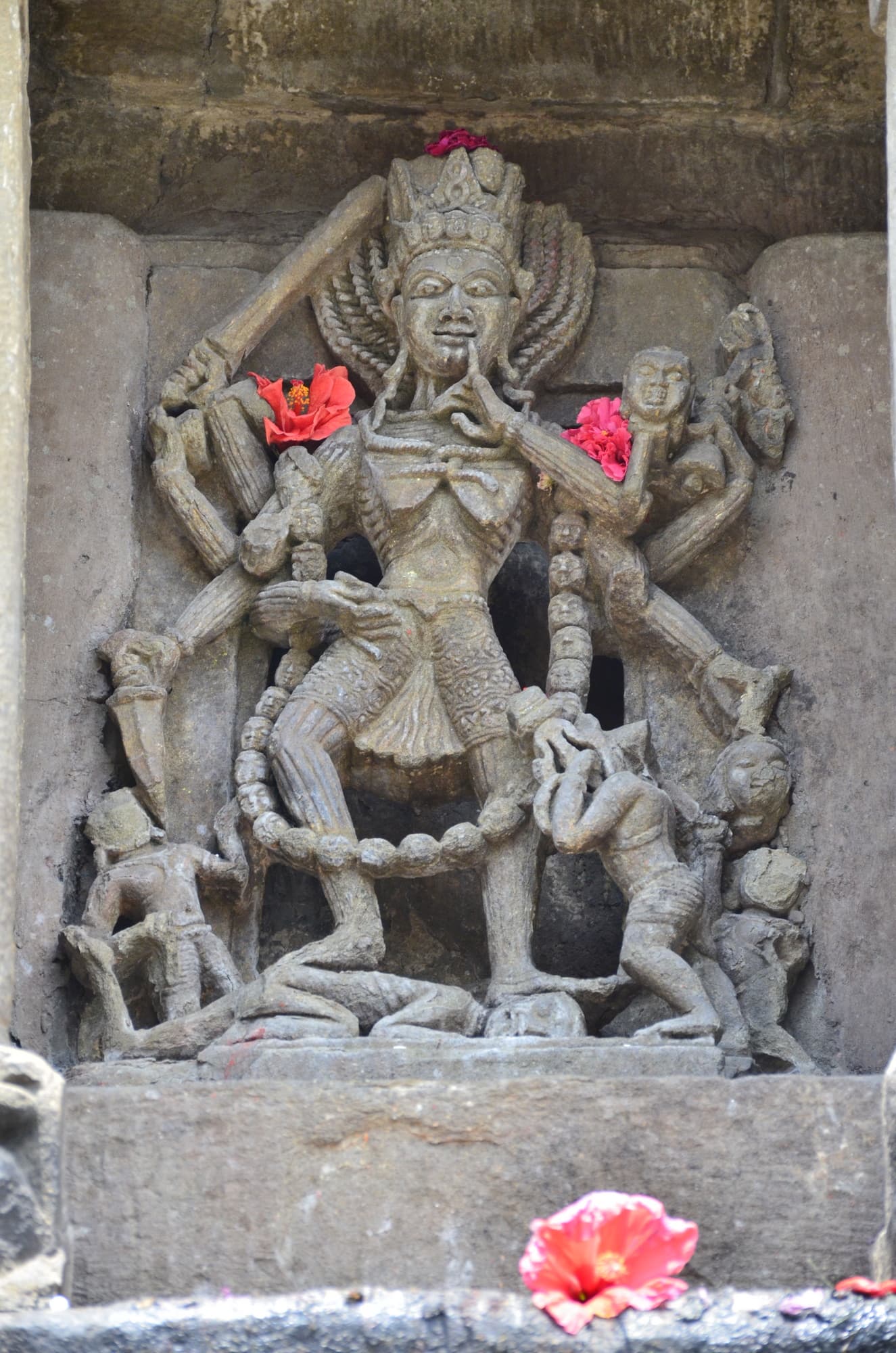
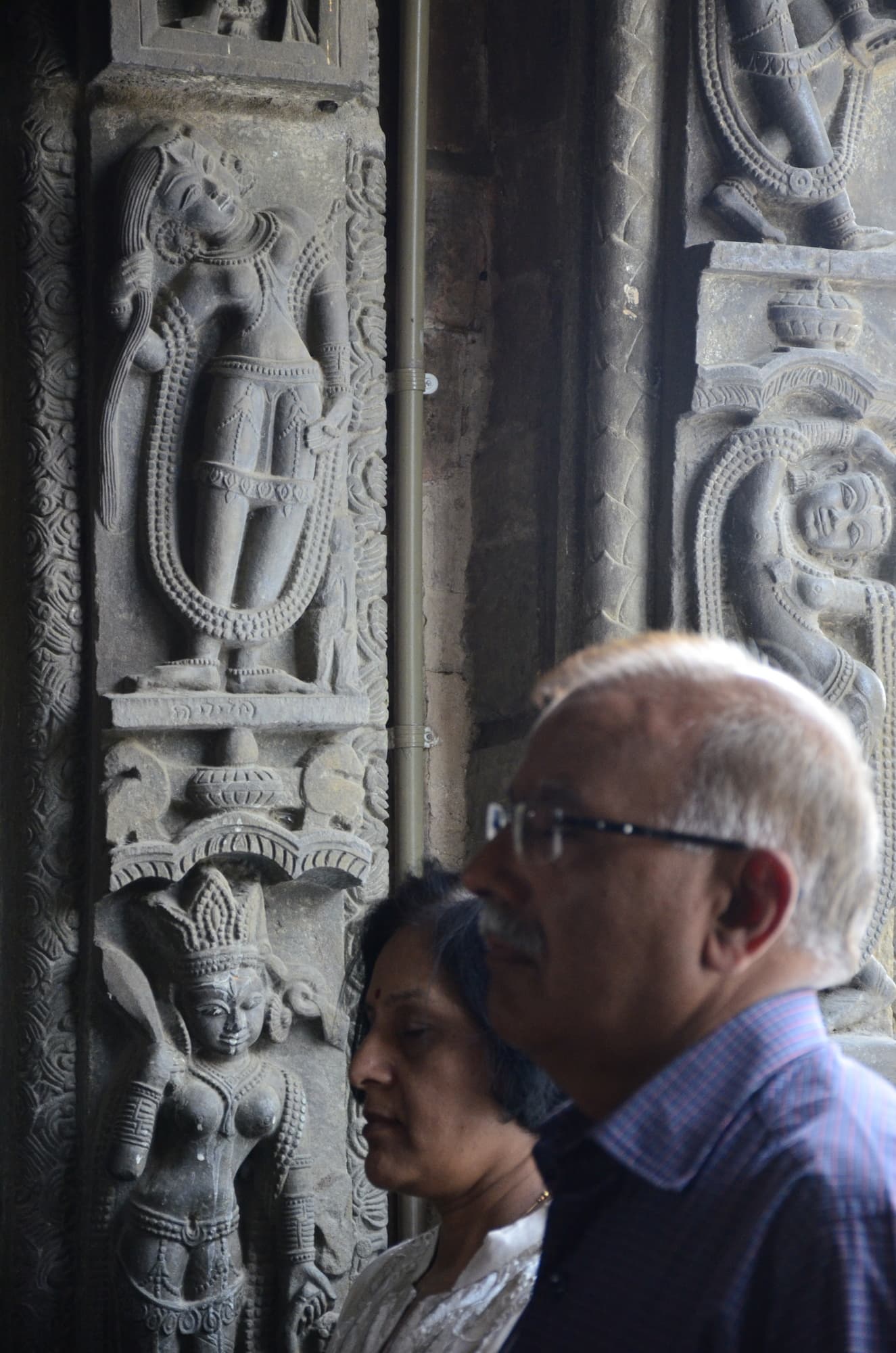
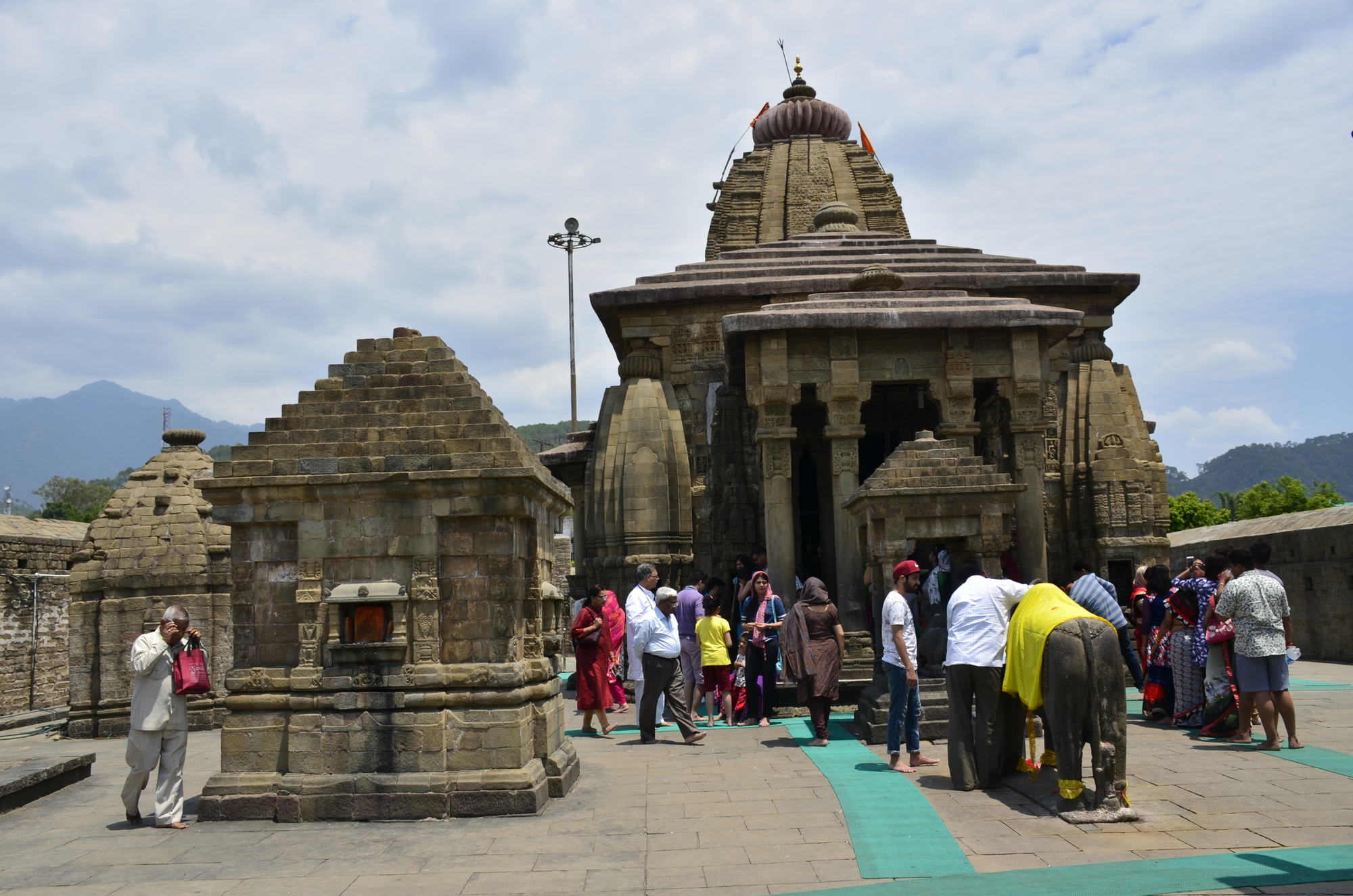
For a complete temple experience, Baijnath is one of the places to head to.
I first went to Baijnath in Himachal with my in 2013. I have been there twice since then, once for gratitude and the second time with son; and there will be more times.
The region around has so much to offer; the grand paragliding experience at Bir, the tea estates (overrated) of Palampur, the calm of Kanbari ashram, and the temple stretches of Chamunda and Kangra. It is an endless list.
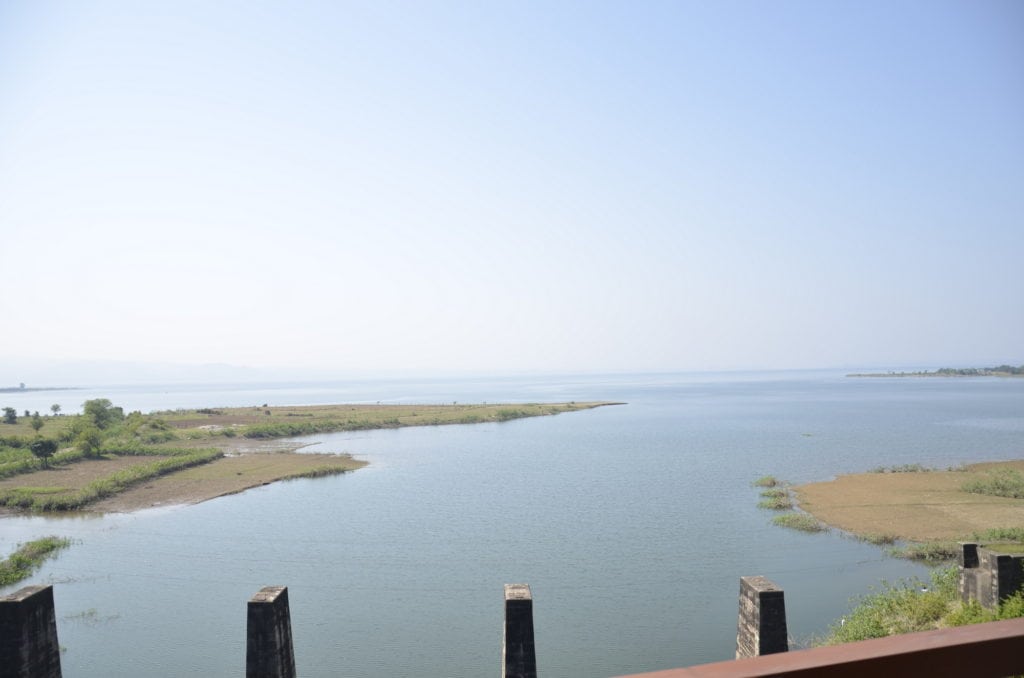
Along the poong dam 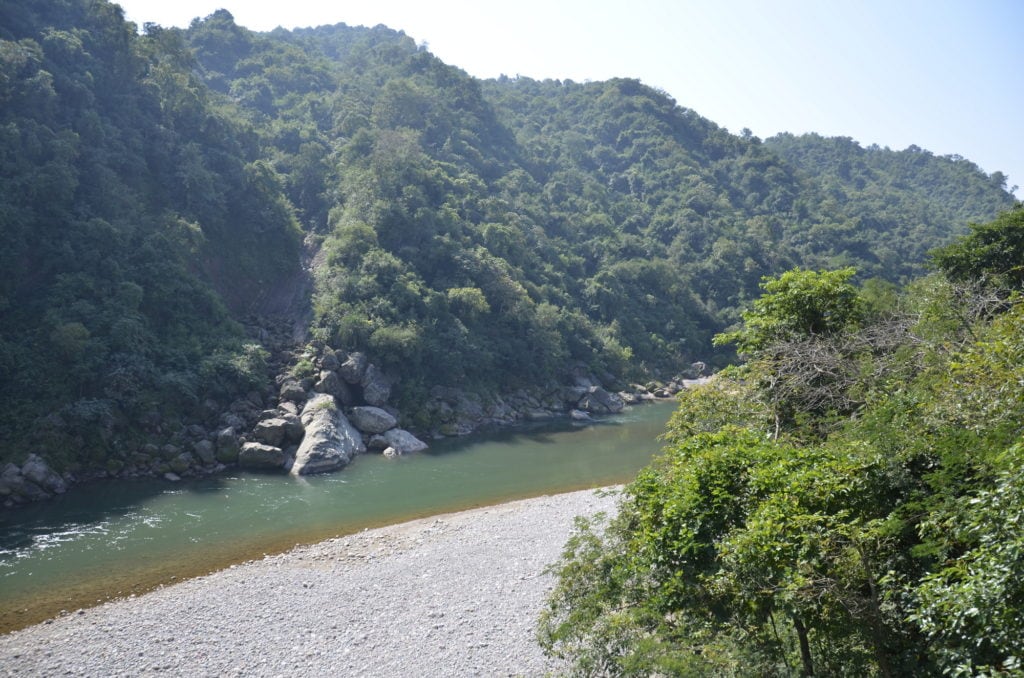
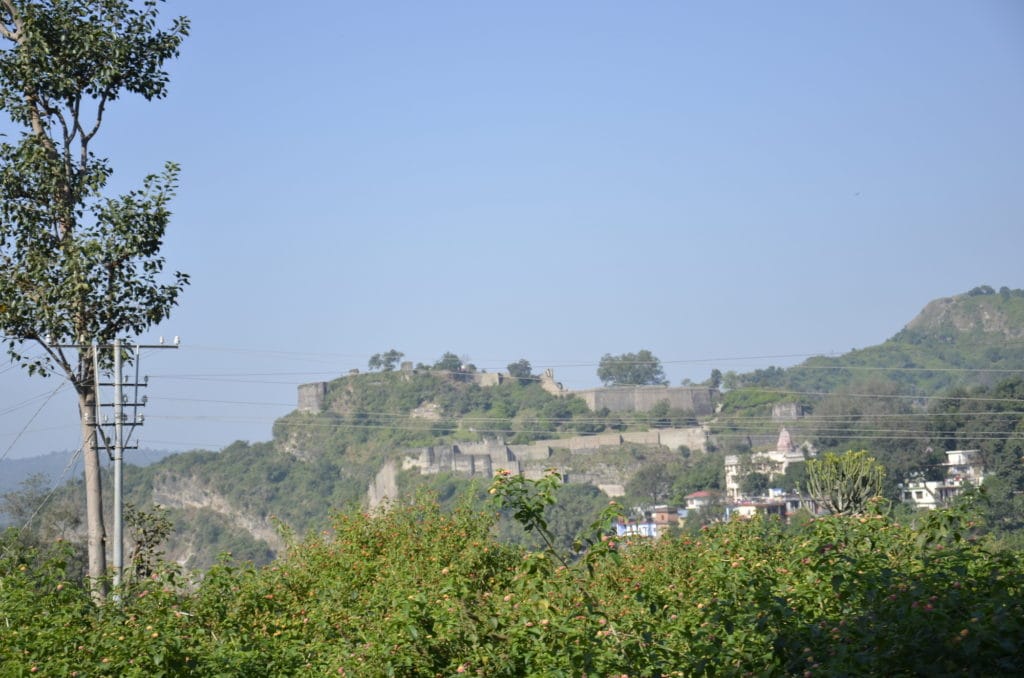
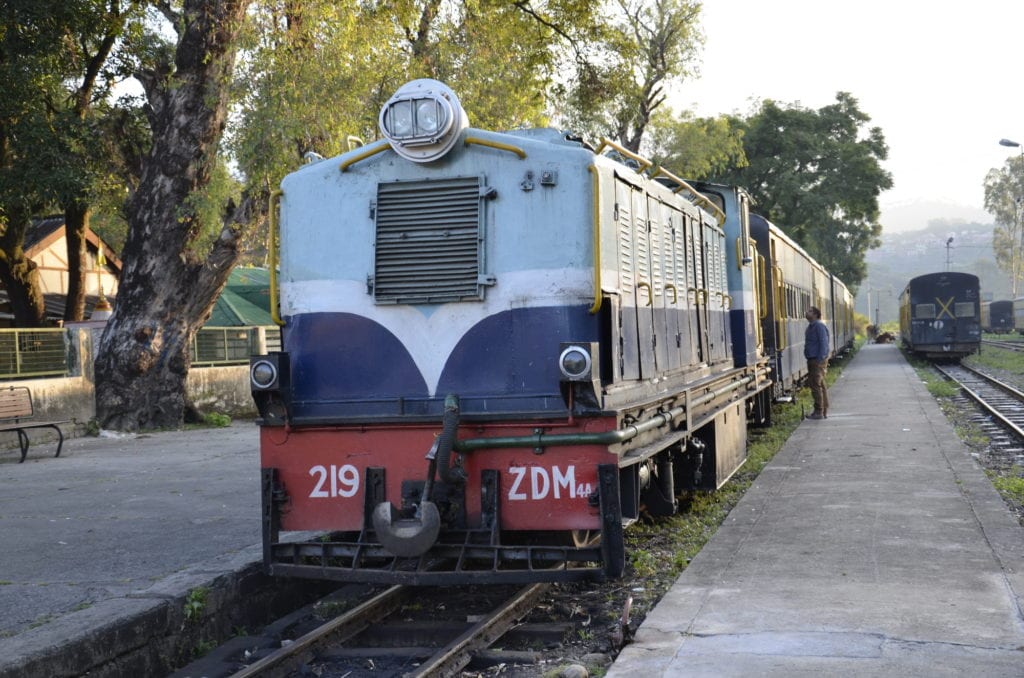
The Toy Train itself 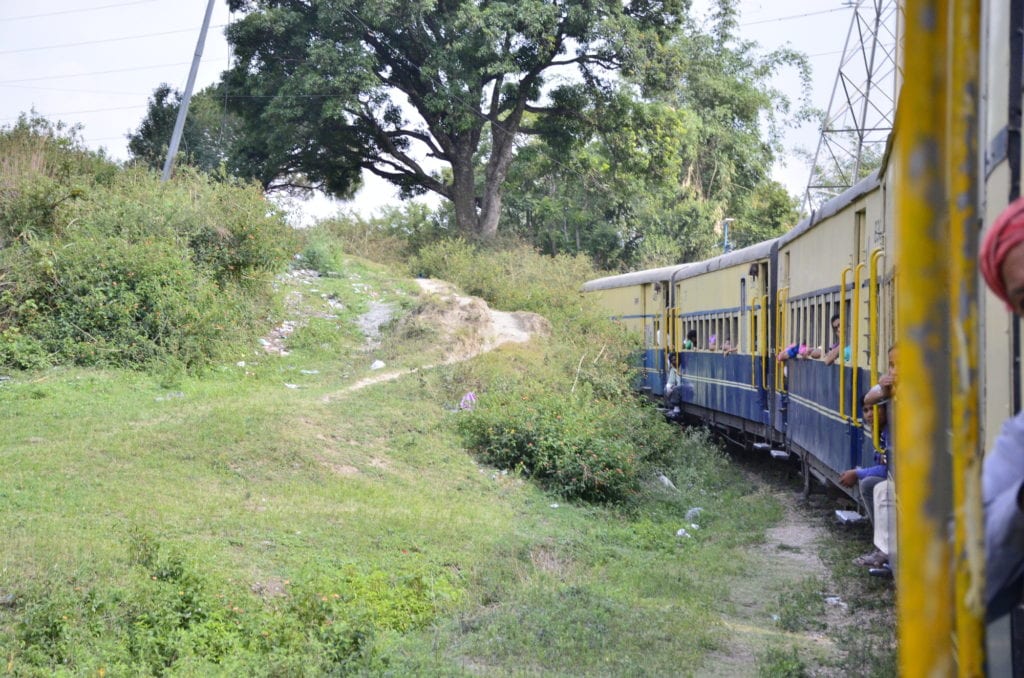
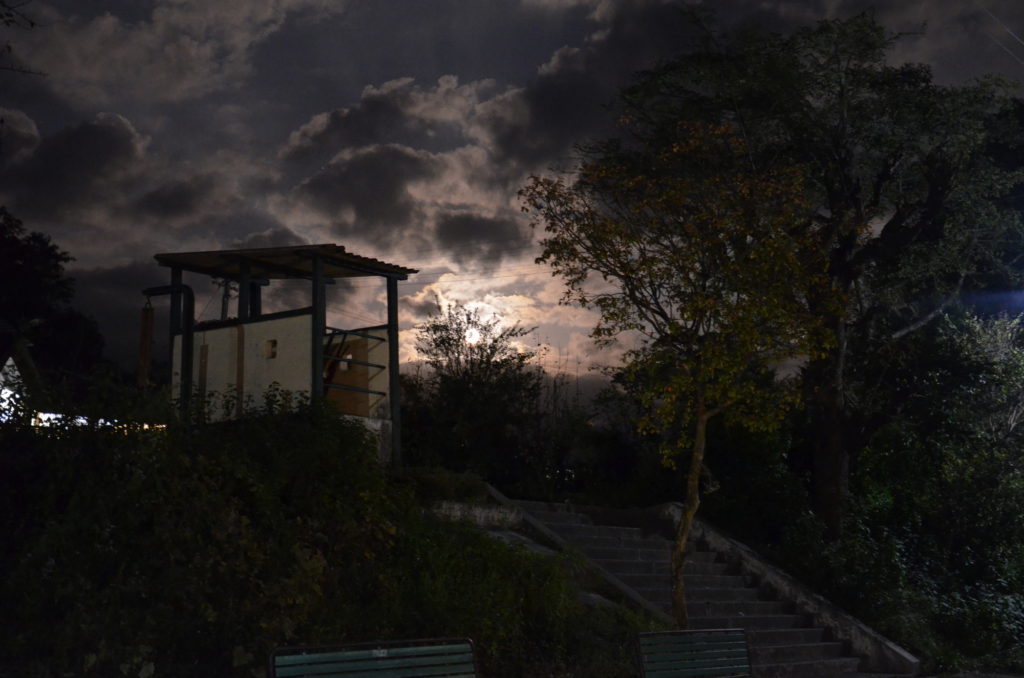
Joginder Naar with moonlight
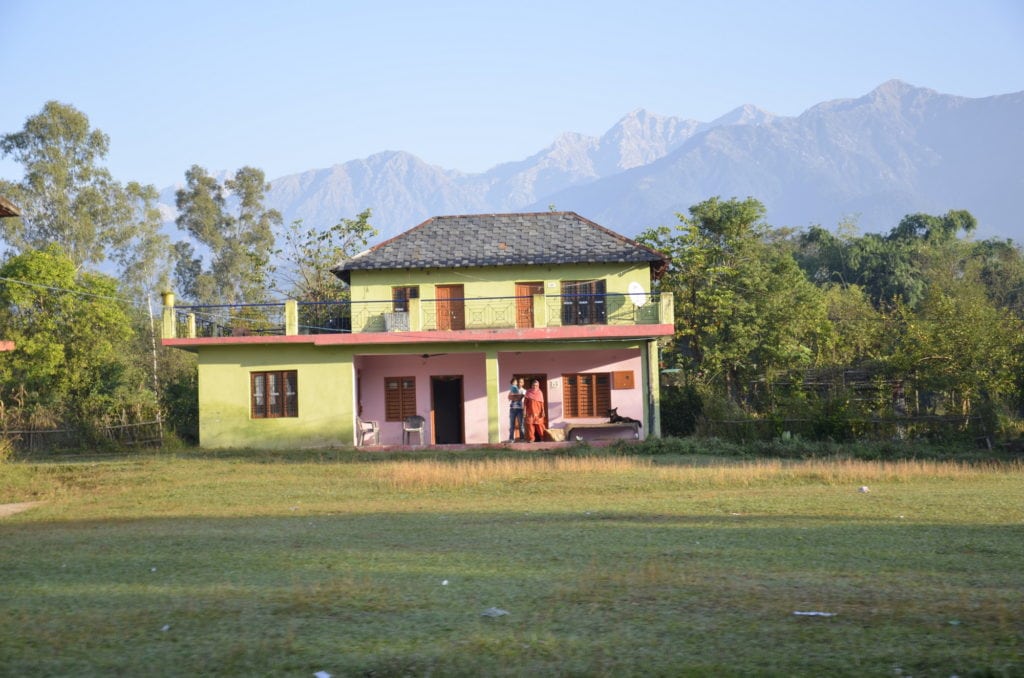
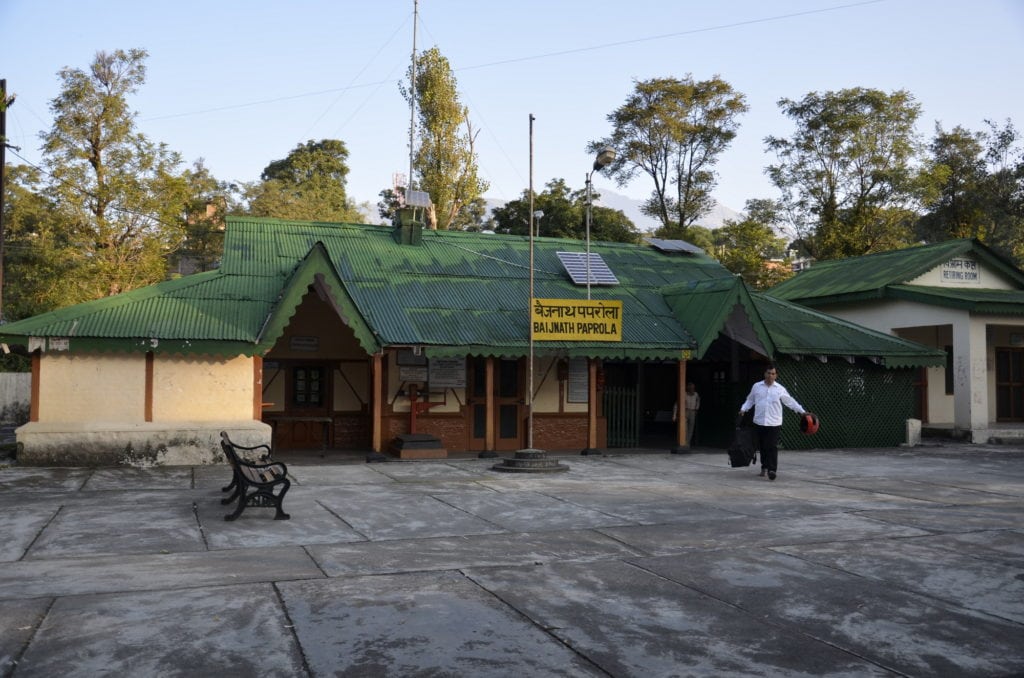
Then the incredible views of Dhauladhar hills from Andretta. Then there is the Barot valley and its funicular which I hope to see one day. The piece de resistance is the toy train that runs from Joginder Nagar to Pathankot. The train travels through unparalleled (and totally underrated) variety of landscapes overlooking lakes, rivers, gorges, snowclad mountains. It is actually a train that transports, without the touristy character of other hill trains.
If you have a chance to spend two or more days out of Delhi, head to Baijnath region. Gaggal airport of Dharamshala is 50 kms from Baijnath.
A short beautiful drive through tea gardens; and then you are at the perfect setting for your soul.